
Issue #1

Prashanth Mohan A question one often asks in the context of observations or an experiment is “what does it mean?”. The quest to find an answer opens up multiple paths, some of which are more tedious than others. It is instructive and highly rewarding to travel these paths to learn lessons, search for connections among…
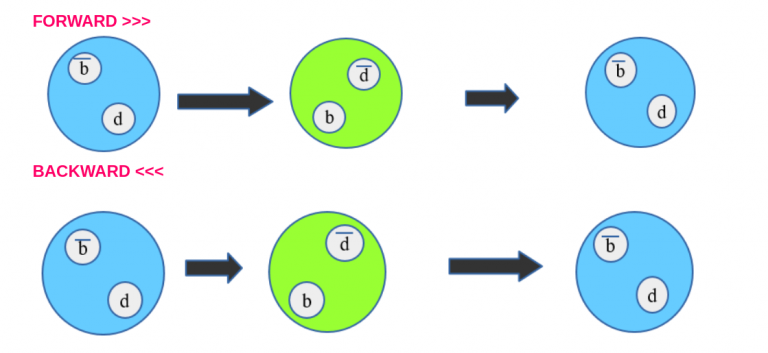
Priya Goyal In the previous article, we figured out a way to know if we are in the real universe or stuck in the mirror universe. Wu’s experiment, which involved radioactive decay of Cobalt atoms (cooled) placed in a magnetic field, came to our rescue. This discovery of weak forces violating parity symmetry was shocking…
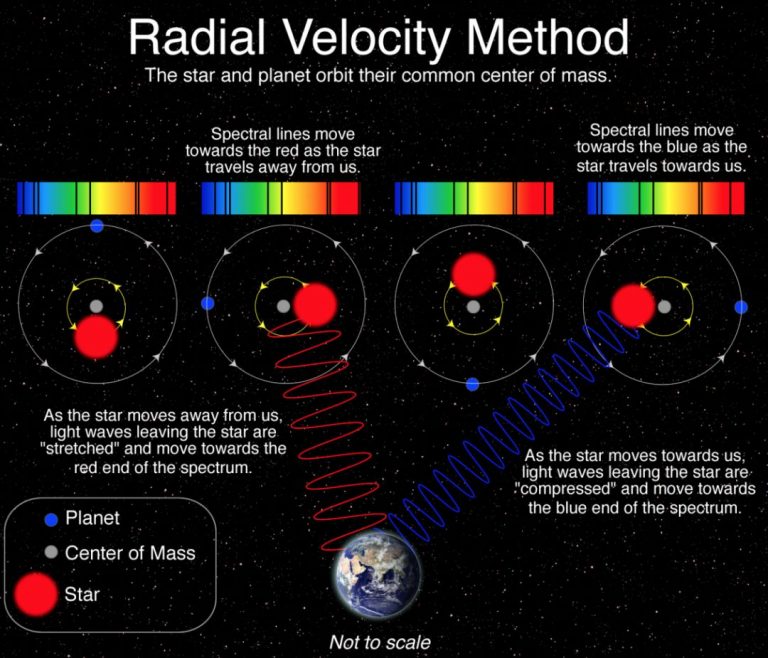
Suman Saha Just like the planets in our Solar system orbiting around the Sun, there are planets outside the Solar system orbiting around other stars. They are known as the Exoplanets (or Extra-solar planets). By definition, planets are much smaller than the stars and unlike the stars, they have no direct source of light but…
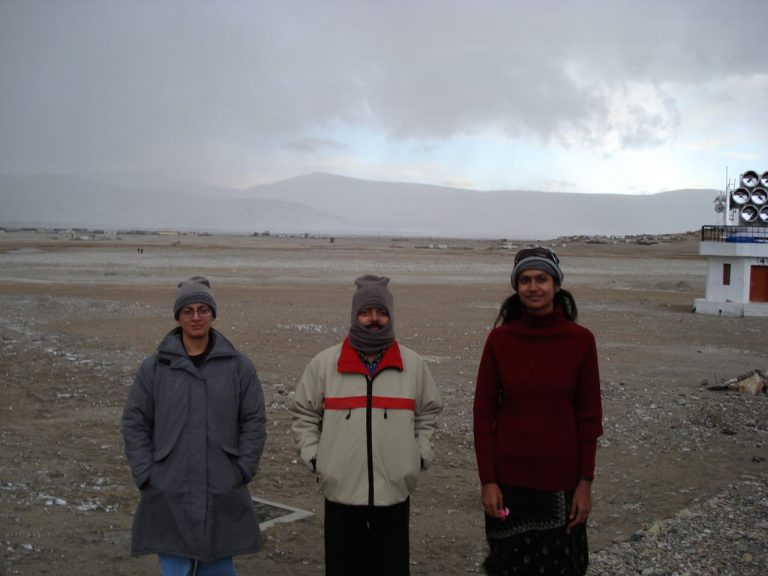
Indu Gopalakrishnan One fine morning, 14 years ago, I walked into the Indian Institute of Astrophysics to attend my first ever interview as a research trainee. I had a file with all my certificates and scorecards arranged neatly in it that I held so tight to my chest, hoping that the good credentials I earned…

Christina Birdie & A. Vagiswari Special Archival Collection of resources in the library of Kodaikanal Observatory Library inherited the priceless copy of ‘Astronomia Nova’ by Kepler dating back to 1609. The volume is leather-bound with 650 pages of Latin text, calculations, tables of observations, and woodcut diagrams of planetary orbits. Very little is known about…

