
More than me…
I’m shy
Still trying to be brave
To walk again
Out of my grave

I’m shy
Still trying to be brave
To walk again
Out of my grave
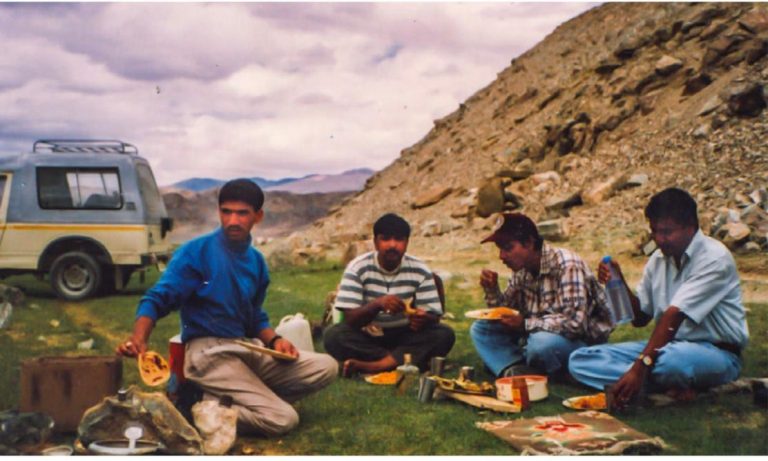
Prof. B. C. Bhatt, Dorje Angchuk, and Man Singh Preamble Under the Himalayan Infrared Optical Telescope (HIROT) project, first team of IIA landed Leh in November 1994 and with initial acclimatization in high altitude and cold weather, this team arrived Hanle in December 1995. We pitched our setup in a mud-hut in the premises of…
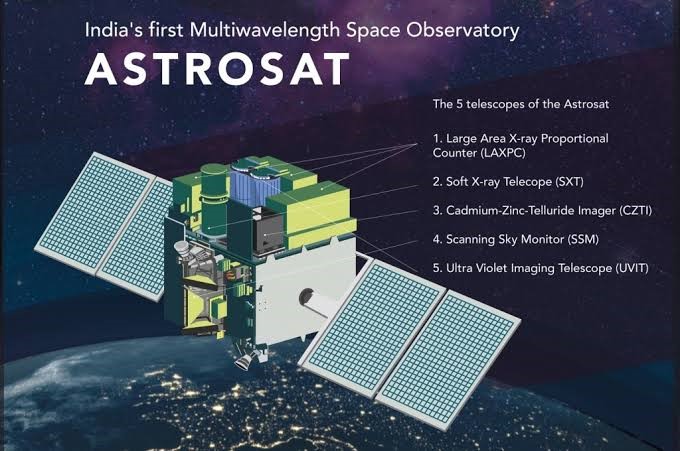
Amit Kumar I would like to share the heart holding experience of my first Space Project, UVIT on ASTROSAT. It was 30th November 2015. We had finished all the major checks on UVIT payload when its doors were closed. Just to remind the readers, ASTROSAT was launched on 29th September 2015 from ISRO space centre…
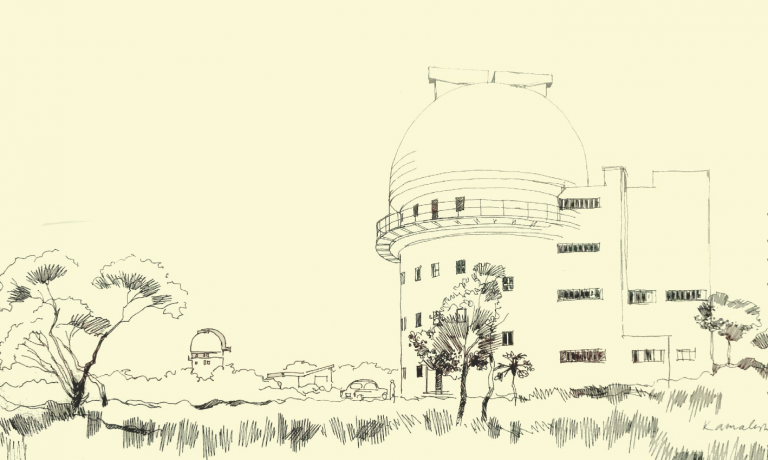
Anand M N It was a school project on lunar observation that motivated me, an 11th standard boy, to serious star gazing. Till then, I used to see the twinkling stars, but not too keen about knowing them. That project gave me an opportunity to meet amateur astronomers and science enthusiasts outside my school. With…

Snehalata Sahu Have you ever heard of a vampire-like star existing in our Universe? If not, then you are missing the story of one of the most exciting types of stars, known as “Blue Straggler Stars” (BSSs). They are called so because they appear blue in color and straggle or lag in age behind their ancient neighbors, which…
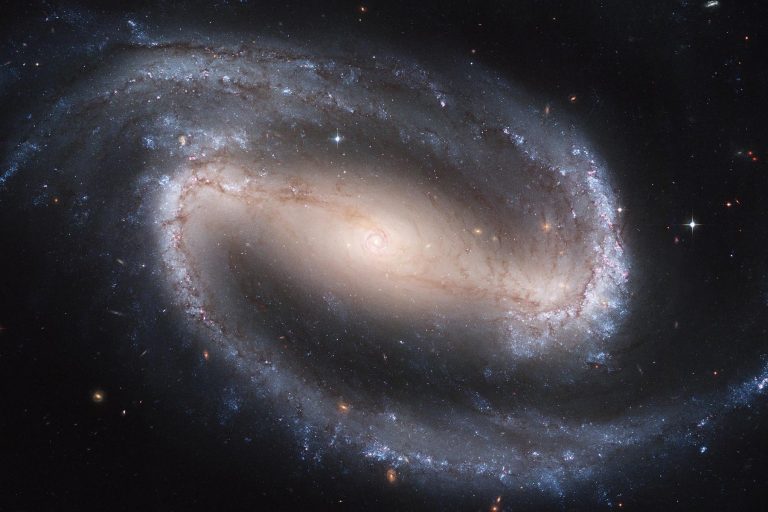
Sandeep Kataria Bars are ubiquitous features in the disk galaxies. Observations show that around 2/3 of the disk galaxies in the observable universe (optical and infrared) have a bar in their central region. Bars are thought to be formed as a result of global instability in the disk, which traps eccentric orbits of the stars…
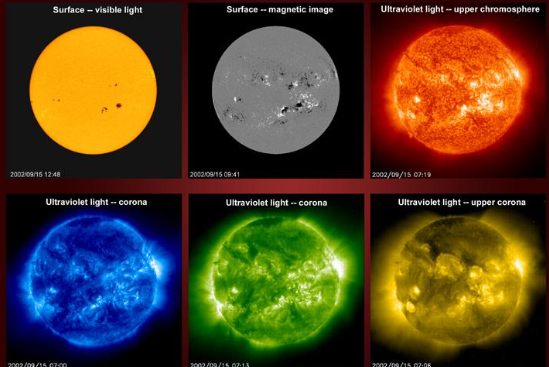
Man had been living under the mercy of nature from the days of folklore…
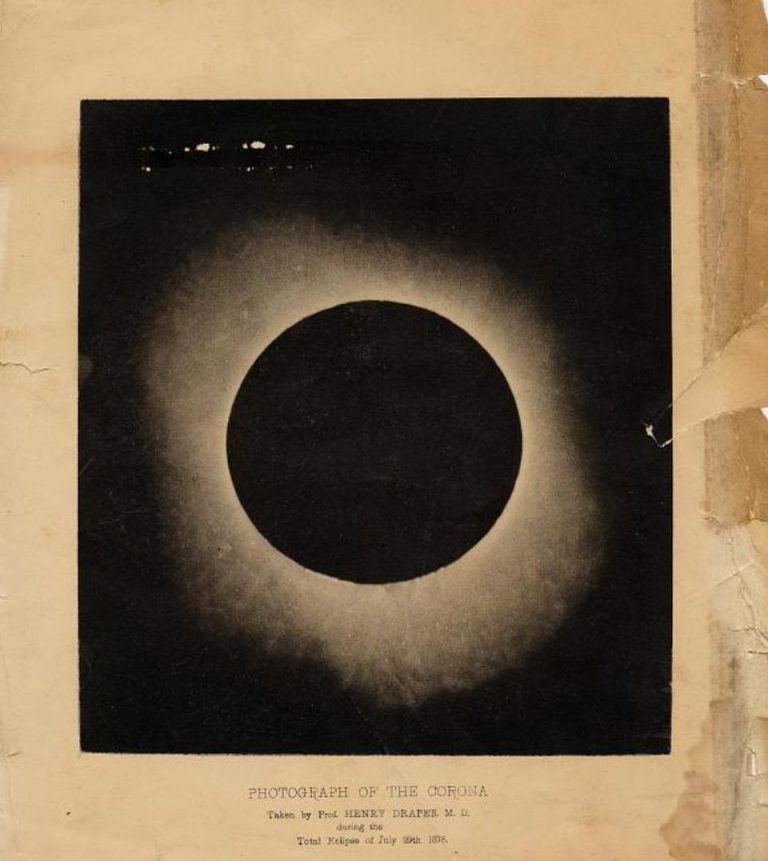
Sarthak Choudhary On July 29th 1878, residents of Rawlins, USA were ready with their smoked glass to witness a spectacular show of the celestial hide and seek – a total solar eclipse. Astronomers from all over the world had already arrived in the town. Amongst those was a party of astronomers led by Henry Draper…

Prashanth Mohan A question one often asks in the context of observations or an experiment is “what does it mean?”. The quest to find an answer opens up multiple paths, some of which are more tedious than others. It is instructive and highly rewarding to travel these paths to learn lessons, search for connections among…